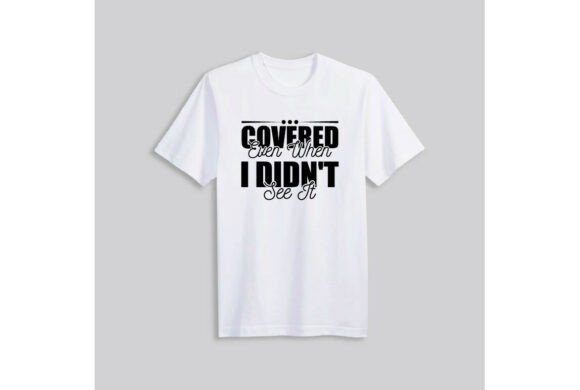
Covered Even When I Didn't See It: A Designer's Practical Take
When a new design lands on my desk, my first question is always: how will this translate from screen to stitch? For Covered Even When I Didn't See It, that evaluation begins with its mood. The title alone evokes a sense of quiet reassurance and protection, a theme ripe for personalized gifts and heartfelt messages. The design’s visual personality leans toward thoughtful, not flashy, which makes it a versatile contender for projects where the sentiment matters more than spectacle.
The First Impression & Where It Naturally Belongs
The layout feels balanced, with a clear focal point. It avoids overly intricate details that might become muddled in small-scale embroidery, which is a good sign for practical application. This isn't a design screaming for a giant hoop; its personality suits a more intimate, wearable, or usable format. I immediately picture it on the corner of a cozy pillow cover for a nursery, or centered on a soft baby blanket. Its theme of being "covered" resonates perfectly with infant gifts. Alternatively, imagine it stitched onto a linen kitchen towel or a canvas apron—items used in the comforting, everyday rituals of home.
For small business owners and Etsy sellers, this design has potential in niches focused on faith-based items, inspirational gifts, or personalized comfort products. It could become part of a collection for boutique wedding gifts, like a handkerchief, or for holiday gifts emphasizing gratitude and care. The design doesn’t feel seasonal, which is a plus; it's a year-round sentiment.
Performance in Real-Life Embroidery Scenarios
Let's walk through a real case: preparing a custom embroidered tote bag for a client who wants a meaningful, non-generic gift. Using Covered Even When I Didn't See It, I’d consider fabric choice first. A medium-weight canvas tote provides a stable, textured base. The design’s clarity depends on good contrast, so thread color selection is key. On a natural canvas, a deep navy or charcoal would offer elegant contrast, while on a dark bag, a soft cream thread would make the statement.
On custom apparel like sweatshirts or t-shirts, this design would work best in a moderate size, placed on the left chest or upper back. Avoid the stretchy, ribbed areas of a sweatshirt collar; the stitch density needs a stable fabric foundation. For baby clothes, a simple placement on the front of a cotton romper is ideal, but remember that tiny garments require a small hoop and possibly adjusting the design size to maintain stitching clarity.
As a digital product seller, the provided file formats—PNG, PDF, AI, EPS, JPG, SVG—are a significant advantage. The SVG and AI files mean fellow designers can easily integrate this into larger compositions or adjust it for printable mockups. The transparent PNG is perfect for creating quick previews for customers. The ability to change the design color directly in the vector files is a huge plus for branding and creating coordinated craft business product lines.
Where to Use This Design With Care
Not every design is for every surface. For Covered Even When I Didn't See It, be cautious on very small hoop sizes. If you shrink it too much for a cap or a hat’s curved surface, any fine lettering or delicate elements could lose definition. Textured fabrics like thick wool or loosely woven linen can also break up the design’s clean edges, so a sturdy stabilizer is non-negotiable.
Dark fabric always requires extra planning. You’ll likely need a lighter underlay or a bolder thread choice to ensure the design doesn’t get visually swallowed. On layered garments like hoodies, avoid stitching over seams or pockets where the fabric layers change. The design’s appeal hinges on its clean presentation, so a smooth, uninterrupted field is best.
For products needing frequent washing—like kitchen towels or baby items—consider a tighter fill stitch for durability. Always test the design on scrap fabric first, using the same material and stabilizer combo as your final project. This tells you if any areas are too dense or too sparse.
How This Design Impacts Your Product's Value
From a professional standpoint, a well-embroidered piece with this design elevates customer trust. It shows attention to sentiment and craftsmanship. For a handmade presentation, it feels intentional and personal, far from a mass-produced graphic. This strengthens brand consistency for makers who specialize in uplifting, meaningful products.
Its giftability is high. It conveys a specific, comforting message without being overly literal. In a marketplace crowded with generic phrases, this can drive buyer engagement because it feels unique. For commercial embroidery projects sold in small shops, it can become a recognizable, repeat item—a "signature" piece that customers associate with your brand’s ethos.
Practical Notes for the Working Designer
Before you commit to a final product, here’s my routine checklist for a design like this:
- Run a test stitch on your actual project fabric, not just plain muslin.
- Check thread color contrast by looking at the stitched sample in both daylight and indoor light.
- Review the stitch density in your machine’s preview; look for any potential puckering spots.
- Confirm your planned hoop size can accommodate the design without forcing excessive scaling.
- Inspect small details after stitching. Are any corners or curves crisp?
- Create black and white mockups to see how the design reads purely as shape and form.
- Compare it on light and dark fabric backgrounds digitally to plan your thread palette.
- Use the proper stabilizer for your fabric type—don’t skip this step.
- Since this is listed under Freebies and Graphics, always confirm the specific licensing terms before selling finished items or incorporating it into digital design assets for commercial sale. The file flexibility is great, but the usage rights are paramount.
In the end, Covered Even When I Didn't See It is a design that offers emotional resonance and practical adaptability. Its value isn’t in overwhelming detail, but in its clear, heartfelt theme and the clean execution it allows. For embroidery designers, crafters, and creative entrepreneurs looking to add meaningful depth to their work, it’s a design worth testing on your next project that calls for a touch of quiet assurance.