Testing the Soccer Dad Bundle for Real Embroidery
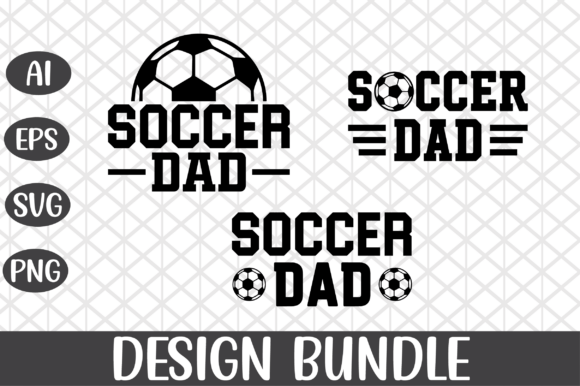
When a bundle lands in my design queue with a name like “Soccer Dad,” my first thought is practical: what kind of real project does this belong to? Is this just a cute graphic, or does it have the backbone to become a genuinely charming embroidered product? Opening the Soccer Dad Bundle SVG, the impression is clean and thematic. The designs feel celebratory, a bit playful, and purpose-built. It’s not just a soccer ball; it’s a cohesive set that clearly aims to celebrate a specific role and passion. The layout tends toward bold, recognizable shapes with text elements that are straightforward. This isn’t overly fussy—it’s a design with a clear personality, which is exactly what you want when translating a digital file into physical stitches.
The Natural Habitat for This Embroidered Theme
My mind immediately goes to client projects or small shop merchandise where a personal touch is key. Imagine a custom embroidered tote bag for a coach, or a cozy sweatshirt for an actual “soccer dad.” This bundle feels destined for personalized gifts—think Father’s Day, birthdays, or a “thanks for the season” gift from the team. The aesthetic is warm and recognizably niche, making it a strong candidate for boutique products, Etsy listings, or craft fair items aimed at sports families. It would work wonderfully on a baby’s jersey-style romper for a little fan, or as a neat patch on a cap. The theme is so specific that it creates instant recognition, which boosts the giftability and perceived thoughtfulness of the finished product.
Where It Shines and Where to Be Cautious
In real embroidery situations, designs like this excel on stable, medium-weight fabrics. A cotton tote bag, a quilting-weight apron, a fleece-backed sweatshirt, or a denim jacket would be perfect canvases. The bold elements should translate well into clean satin stitch borders and solid fill stitch areas, provided the stitch density is well-managed in the original embroidery file. The visual appeal here hinges on clarity and contrast.
However, I’d advise careful placement on certain surfaces. Small hoop sizes might compress some of the textual elements, losing readability. Highly textured or stretchy fabrics could distort the simpler shapes. On dark fabric backgrounds, thread color choice becomes critical—a lack of contrast would mute the celebratory mood. And on curved surfaces like caps, the layout’s orientation needs to be checked. As with any design, tiny lettering or densely packed decorative accents can become problematic if not properly digitized for embroidery. Always test on scrap fabric first.
Practical Impact on Your Craft Business
Using a cohesive bundle like this in your embroidery project workflow can affect more than just the stitch quality. For small business owners and creative entrepreneurs, it contributes to brand consistency if you specialize in sports-themed or family-focused goods. A well-executed embroidered patch from this bundle on a premium product adds tangible value and enhances the handmade presentation. It builds customer trust because the final product looks intentional and professional, not slapped on. For digital product sellers offering printable mockups or using these as design assets, the clean vector nature is a plus, but the real test is always in the stitching.
For commercial embroidery projects or selling finished items, the theme inherently boosts buyer engagement within its niche. A parent seeing this on a pillow cover or kitchen towel in a small shop is more likely to connect emotionally—and that’s the goal. But professionalism comes from your execution. Always check the specifics: confirm your hoop size can accommodate the design without losing detail, inspect the small elements in a test run, and compare how it looks on both light and dark fabric backgrounds in your mockups. Use the proper stabilizer for your chosen fabric to keep that visual personality crisp.
Embroidery Designer Notes Before You Hoop It
Before I commit this to a client’s order or my own shop merchandise, my process is routine but vital. First, I’ll stitch it out on a scrap of the actual project fabric—not just cheap muslin. This tells me everything about stitch density, thread tension, and how the details emerge. I review thread color contrast against the final product background. Is the mood still bright and celebratory on a navy sweatshirt? I’ll test it in simple black and white digital mockups to judge the composition’s balance.
Since this is categorized under Freebies and Graphics, I pay extra attention to licensing. I never assume. Before any commercial use—selling the embroidered tote bag, the baby item, or the holiday gift as a finished product—I confirm the license terms explicitly. Can I sell physical items made with it? Is it clear for personal and commercial projects? That due diligence protects my craft business and respects the designer. Furthermore, I consider how the design works across product types. Will the same embroidery file look equally good on a tea towel and a cap? Sometimes scaling reveals issues.
The Final Stitch: Real-World Usefulness
The Soccer Dad Bundle SVG, from a practical design judgment standpoint, feels like a useful asset. Its strength is its focused theme and likely clean digitization (assuming the files are high-quality as described). It naturally belongs to a world of custom apparel, personalized gifts, and small shop merchandise that has a heartwarming story. In real project use—embroidering that apron for a grill master dad or stitching it onto a blanket for a family—its success will depend entirely on your embroidery preparation. Test it, check it, and choose the right product canvas for it. When matched well, it should stitch out into a product that feels both handmade and professionally thoughtful, exactly what your customers or loved ones would appreciate. That’s the real measure of a design’s value.